← The Atlas

A Primer · Before the Film

The Odyssey

Everything worth knowing before Christopher Nolan’s The Odyssey — the oldest adventure story in the Western world, and still the best.

“Tell me, O Muse, of that ingenious hero who travelled far and wide after he had sacked the famous town of Troy.”— Homer, Odyssey I (trans. Samuel Butler)

The Story in One Breath

What Actually Happens

A three-thousand-year-old tale — no real spoilers, only the shape of it.

Ten years after the fall of Troy, the Greek hero Odysseus still has not made it home. Cursed by the sea-god Poseidon, he has lost every ship and every man, and is held captive by a nymph who loves him. Back on his island of Ithaca, his wife Penelope fends off a hundred arrogant suitors who assume he is dead, while his son grows up fatherless. With the goddess Athena’s help, Odysseus finally wins his way home — but must return in disguise, unrecognised, and take back his kingdom by cunning and by force. It is a story not about war but about getting home: to a place, a marriage, and a self.

How the Poem Is Built

Three Movements, Told Out of Order

The Odyssey famously begins in the middle. Knowing its shape makes any non-linear telling feel deliberate, not confusing.

IBooks 1–4

The Telemachy

The poem opens not with Odysseus but with his son. Prompted by the goddess Athena, young Telemachus sails to Pylos and Sparta seeking news of his long-lost father — and begins to grow into a man while a mob of suitors devours his household back home.

IIBooks 5–12

The Wanderings

Freed at last from the nymph Calypso and shipwrecked among the kindly Phaeacians, Odysseus tells his own story in flashback — the Cyclops, the Lotus-Eaters, Circe, the land of the dead, the Sirens, Scylla. The most famous monsters live inside a tale within the tale.

IIIBooks 13–24

The Homecoming

Set ashore at last on Ithaca and disguised as a ragged beggar, Odysseus gathers loyal allies, endures the suitors' abuse, springs the contest of the great bow, and takes back — in blood — his home, his wife, and his name.

Who’s Who

The People You’ll Meet

The essential cast of the Odyssey — who they are, what to watch for, and who plays them in Nolan’s film. Portraits are public-domain art, not film stills.

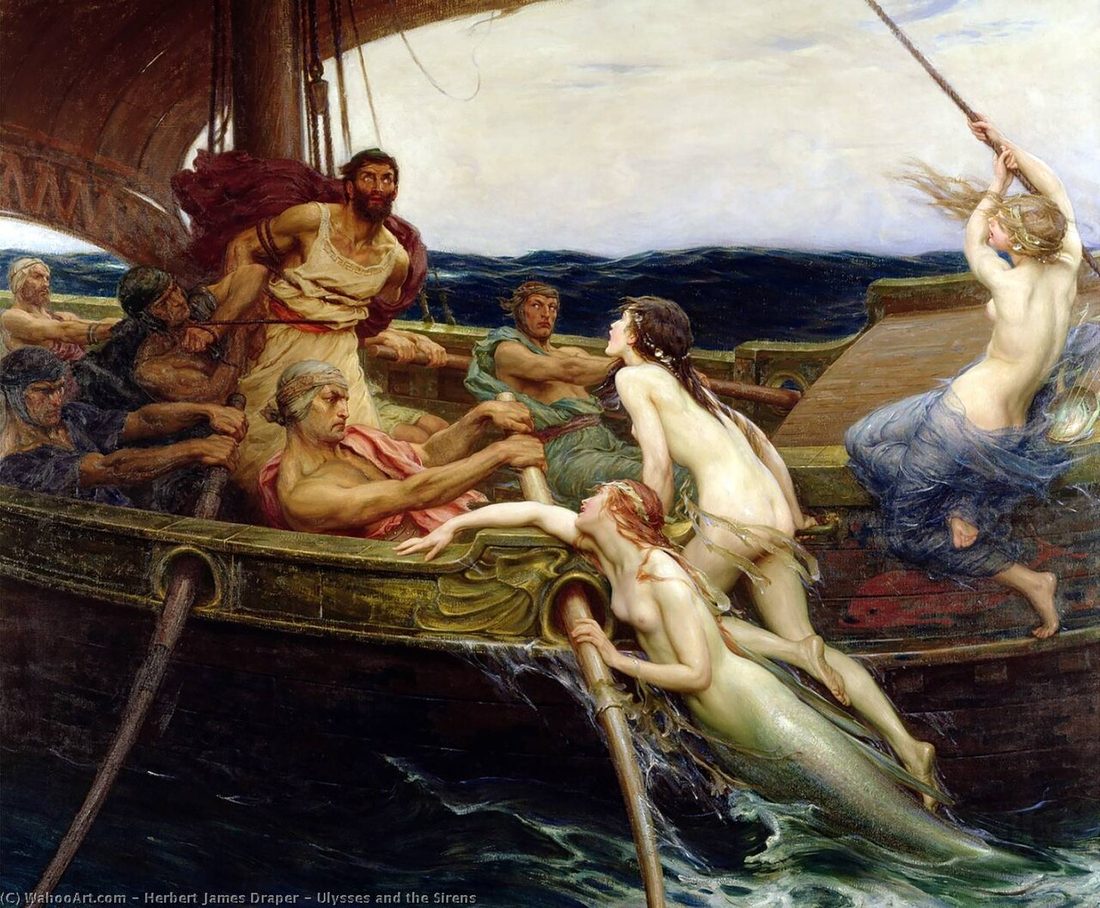
Ulysses and the Sirens — Herbert James Draper, 1909

Odysseus

Achaeans

Of Many Devices · The Cunning · Sacker of Cities · Long-Enduring

Matt DamonIn Nolan’s filmMatt Damon

The cleverest of the Greeks, Odysseus devised the Trojan Horse, exposed Achilles on Scyros, stole the Palladium, and won Achilles' arms with his tongue. His real epic is the ten-year homeward journey — the Cyclops, Circe, the Sirens, the dead — that strips him of ship and crew before he returns disguised to reclaim Ithaca and slaughter the suitors.

Watch for The whole story is his twenty-year struggle to get home. Watch how he survives by wit, patience, and outright lies rather than strength — and how slow he is to trust anyone, even his own wife.
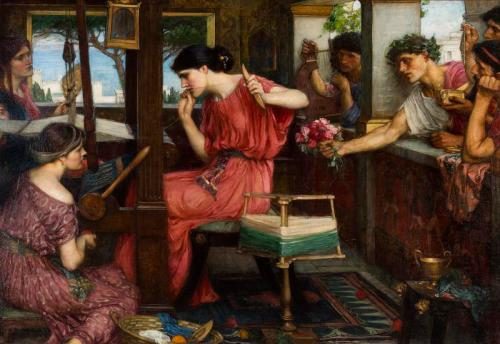
Penelope and the Suitors — J. W. Waterhouse, 1912

Penelope

Achaeans

The Constant · Circumspect · Of the Shining Face

Anne HathawayIn Nolan’s filmAnne Hathaway

For twenty years Penelope held off a swarm of suitors devouring her husband's estate, buying time with the ruse of Laertes' ever-unravelled shroud and, at last, the contest of the bow. Her cunning patience mirrors Odysseus's own, and she tests even him — by the secret of their olive-tree bed — before believing he has returned.

Watch for Not a passive wife but Odysseus's equal in cunning: the unravelled shroud and the contest of the bow are her own traps. She tests him to the very last, by the secret of their bed.

T

Telemachus

Achaeans

The Thoughtful · Godlike

Tom HollandIn Nolan’s filmTom Holland

An infant when his father left, Telemachus grows up under the shadow of the suitors. Roused by Athena, he journeys to Pylos and Sparta seeking news of Odysseus, matures into a man, and stands beside his father in the slaughter of the suitors.

Watch for A boy becoming a man in his father's shadow. His coming-of-age voyage opens the story before Odysseus has even appeared on screen.

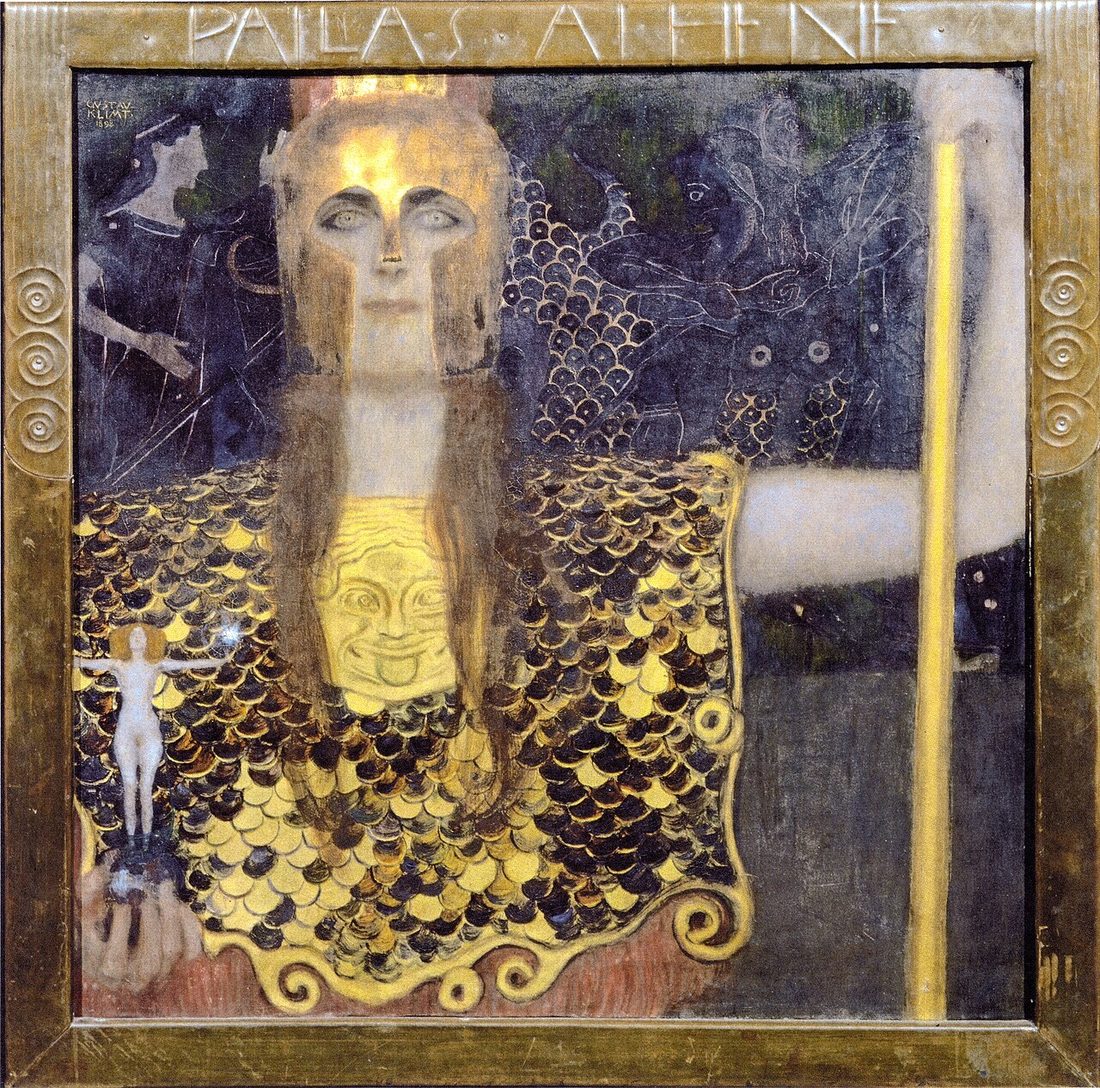
Pallas Athene — Gustav Klimt, 1898

Athena

Gods

Grey-Eyed · Pallas · Bringer of Victory

ZendayaIn Nolan’s filmZendaya

The strategic mind behind the Achaean cause, Athena guided her favourites Odysseus, Diomedes, and Achilles with counsel and courage, restrained Achilles' sword in the quarrel, and engineered Hector's death. In the Odyssey she is Odysseus's tireless protector, shepherding him and Telemachus home.

Watch for Odysseus's divine sponsor and the tale's stage-manager — she disguises him, guides his son, and engineers the ending. When a helpful stranger turns up, suspect the goddess.

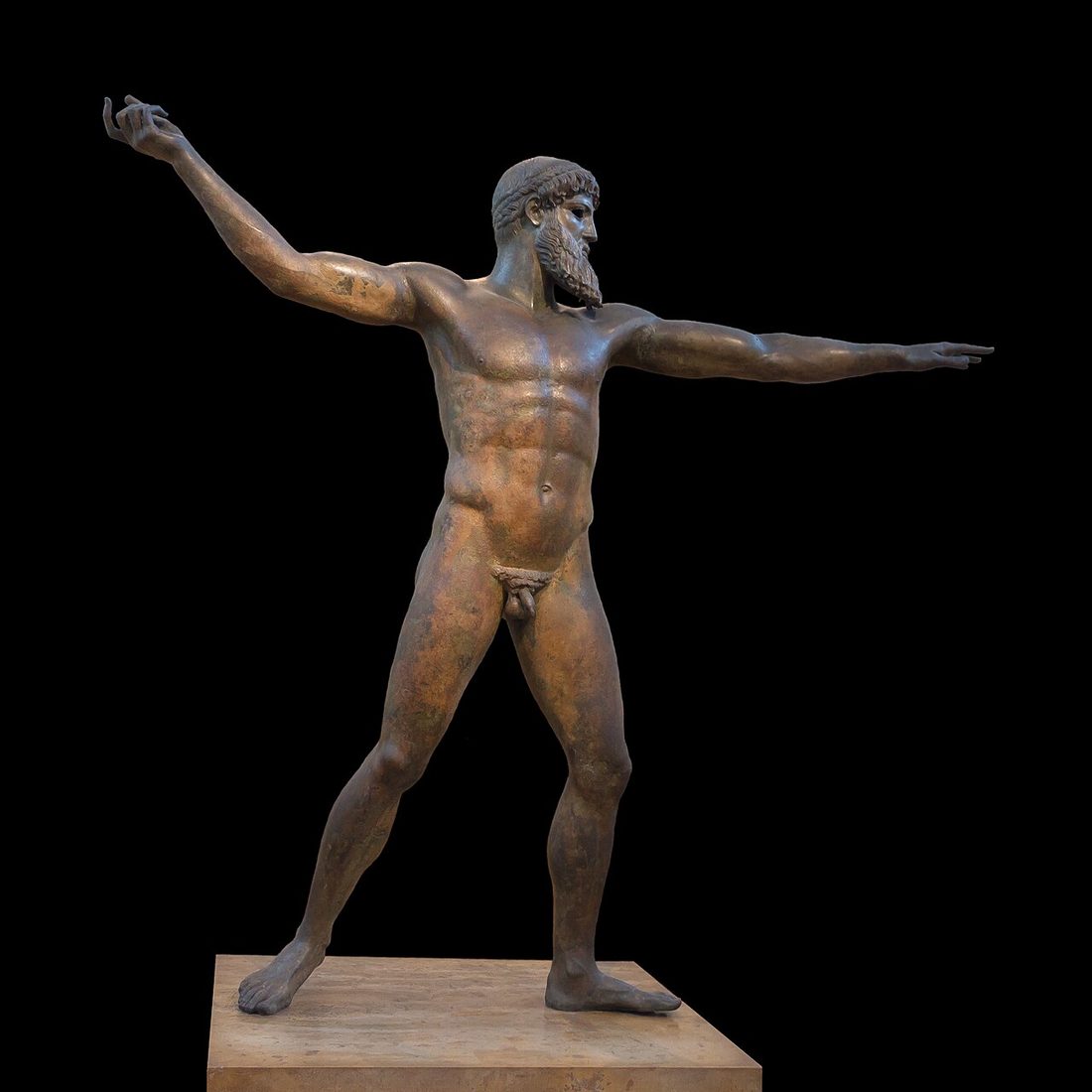
Bronze of Artemision — Zeus or Poseidon, c. 460 BC

Poseidon

Gods

Earth-Shaker · Lord of the Sea · Dark-Haired

In Nolan’s filmCasting not yet announced

Cheated of his wages by Troy's king Laomedon, Poseidon favours the Greeks and rallies them at the ships whenever Zeus looks away. But after Odysseus blinds his son the Cyclops Polyphemus, the sea-god becomes the great obstacle of the Odyssey, cursing the hero to a late and lonely return.

Watch for The sea-god's grudge, for the blinding of his son the Cyclops, is the reason the voyage drags on for ten years. He is the storm behind every wreck.

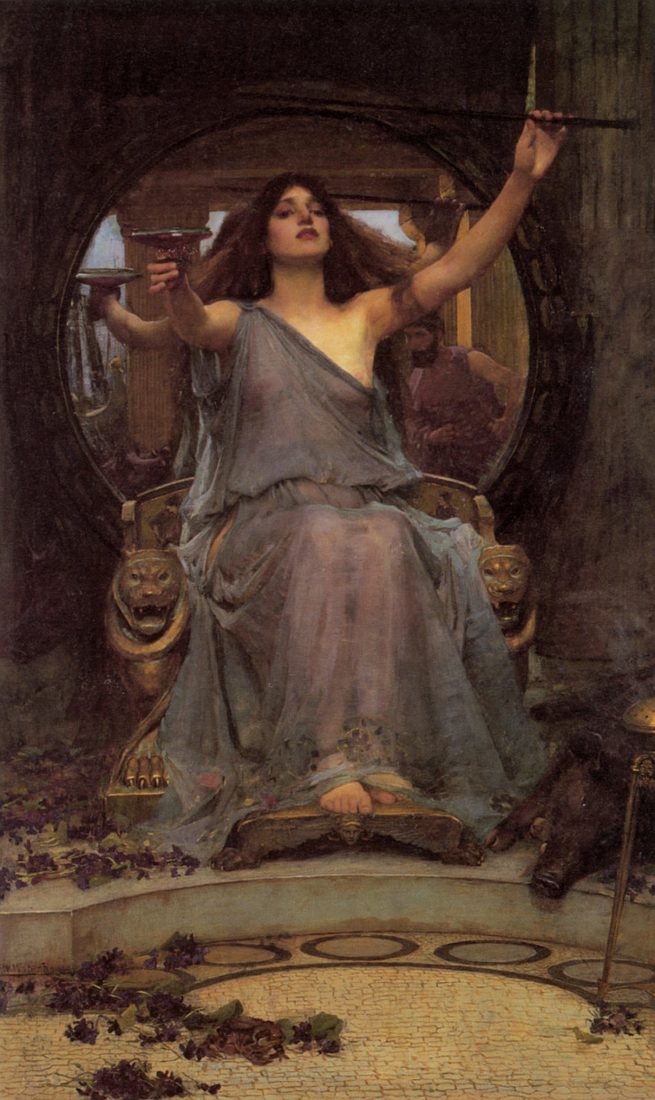
Circe Offering the Cup to Ulysses — J. W. Waterhouse, 1891

Circe

Other

The Enchantress of Aeaea

Samantha MortonIn Nolan’s filmSamantha Morton

The witch-goddess of Aeaea, daughter of the sun, turned Odysseus's men into swine — but, mastered by his moly-guarded resistance, became his lover and helper, keeping him a year and then setting him on the road to the dead and past the Sirens.

Watch for The enchantress who turns men into swine, then becomes ally and lover — and sends Odysseus down to the land of the dead.

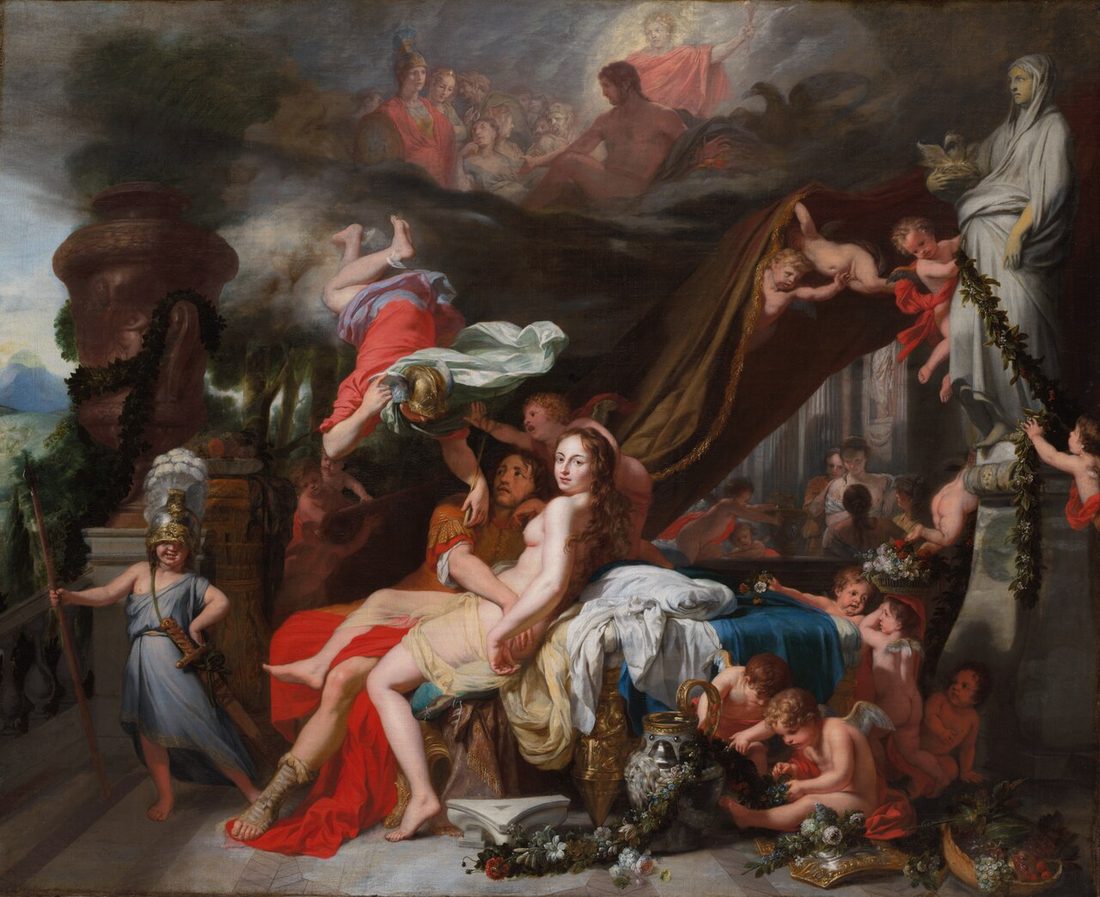
Hermes Ordering Calypso to Release Odysseus — Gerard de Lairesse

Calypso

Other

The Concealer

Charlize TheronIn Nolan’s filmCharlize Theron

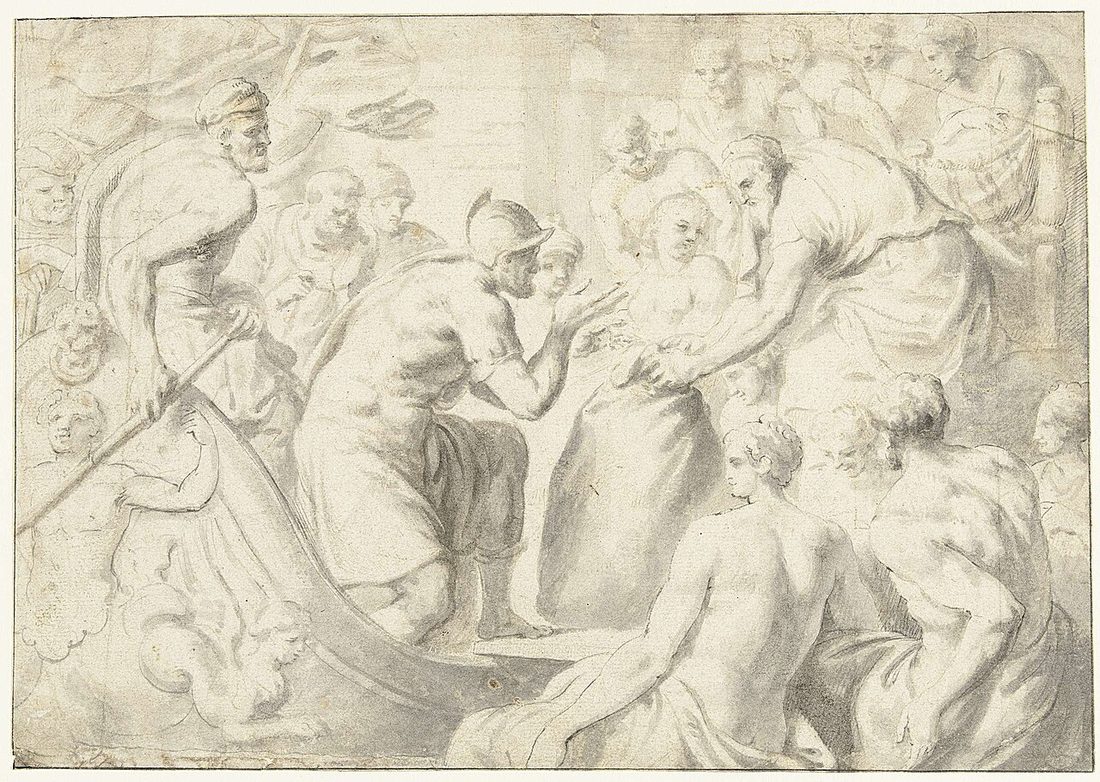
The nymph of Ogygia sheltered the shipwrecked Odysseus and kept him seven years, offering immortality if he would stay. He wept for home each day, and Zeus finally ordered her to let him go.

Watch for The nymph who offers Odysseus immortality if only he will stay forever. He chooses a mortal home and an ageing wife over eternal life — the story's moral heart.

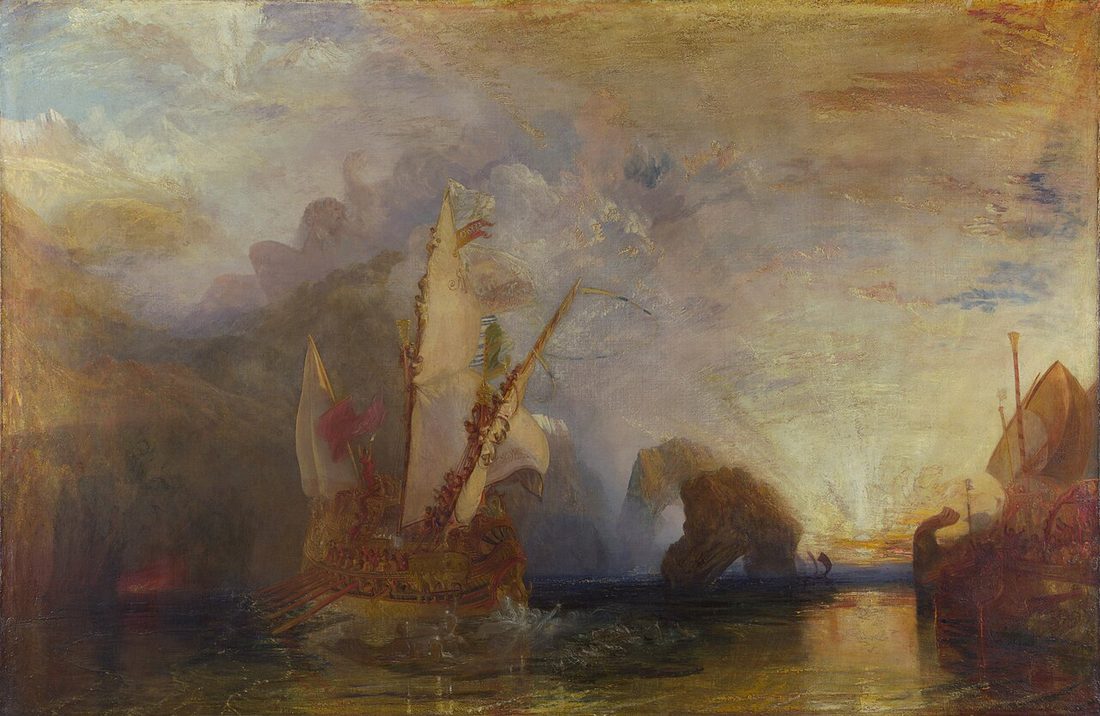
Ulysses Deriding Polyphemus — J. M. W. Turner, 1829

Polyphemus

Other

The Cyclops

Bill IrwinIn Nolan’s filmBill Irwin

The man-eating Cyclops who trapped Odysseus and his men in his cave and devoured several before Odysseus — calling himself 'Nobody' — blinded him with a burning stake and escaped. His curse to his father Poseidon shaped the rest of the voyage.

Watch for The one-eyed giant whose cave is the most famous trap of all. The 'Nobody' trick and the blinding are what set the whole curse in motion.

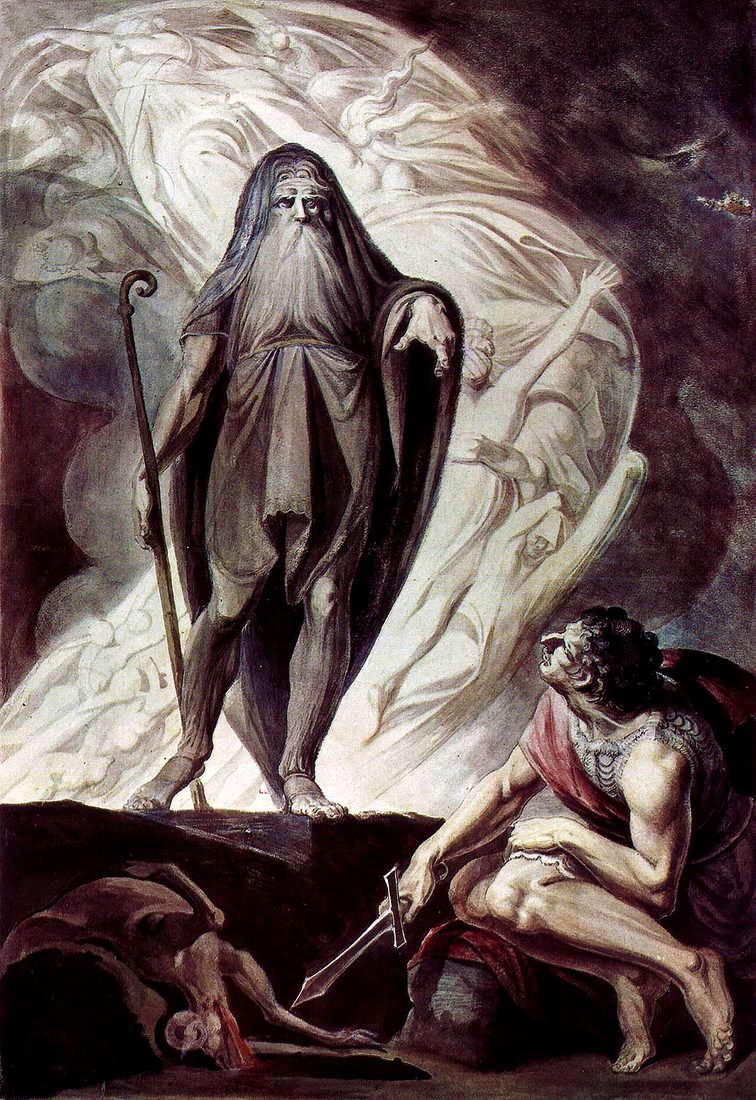
Tiresias Appears to Ulysses — Henry Fuseli

Tiresias

Other

The Blind Seer of Thebes

James RemarIn Nolan’s filmJames Remar

The famed blind prophet, whose shade Odysseus summoned in the underworld. Tiresias warned him to spare the Cattle of Helios and foretold his troubled homecoming and a gentle death that would come to him from the sea.

Watch for The blind prophet Odysseus consults among the dead, who foretells the hard homecoming and a strange, gentle 'death from the sea.'

A

Antinous

Achaeans

The Insolent Suitor

Robert PattinsonIn Nolan’s filmRobert Pattinson

The most arrogant and aggressive of the suitors besieging Penelope, Antinous plotted to murder Telemachus and abused the disguised Odysseus. He was the first to die — shot through the throat as he raised a cup.

Watch for Ringleader of the suitors who have occupied Odysseus's home, courting Penelope and eating him out of house and hall. The reckoning with them is the bloody climax.

E

Eumaeus

Achaeans

The Faithful Swineherd

John LeguizamoIn Nolan’s filmJohn Leguizamo

The steadfast swineherd who kept faith with his lost master for twenty years, sheltered the disguised Odysseus, and stood with him in the killing of the suitors — the moral touchstone of the homecoming.

Watch for The loyal swineherd — the model of good hospitality against the suitors' abuse of it, and the disguised king's first true ally back home.

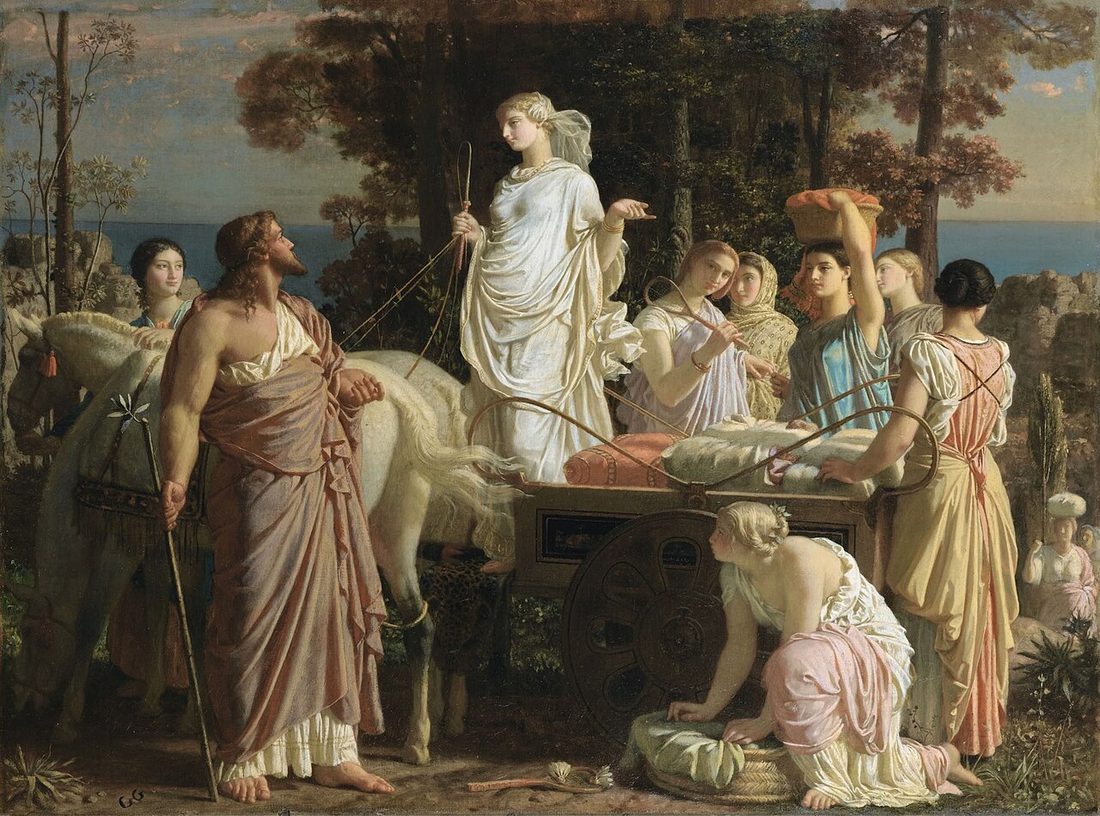
Ulysses and Nausicaä (Phaeacian shore)

Nausicaa

Other

The Phaeacian Princess

In Nolan’s filmCasting not yet announced

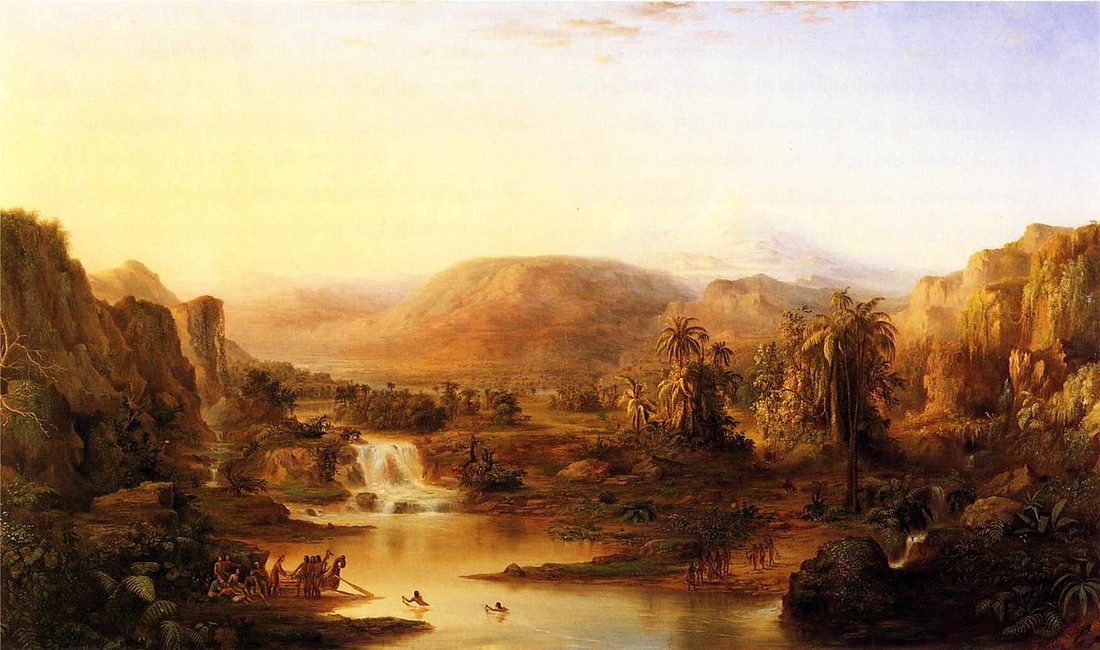
The young daughter of King Alcinous, who found the naked castaway Odysseus on the Phaeacian shore, clothed and fed him, and led him to her father's palace — the last waystation before home.

Watch for The princess who finds the shipwrecked castaway and leads him to the Phaeacian court — the gentle frame around all the monster-tales.

The Wanderings

The Ten-Year Voyage, Stop by Stop

The adventures Odysseus recounts to the Phaeacians — the monsters and temptations of the wine-dark sea, in the order they befell him.

01
Storm at sea past Cape Malea — J. M. W. Turner

The Ciconians and Cape Malea

Year 1 · leaving Troy

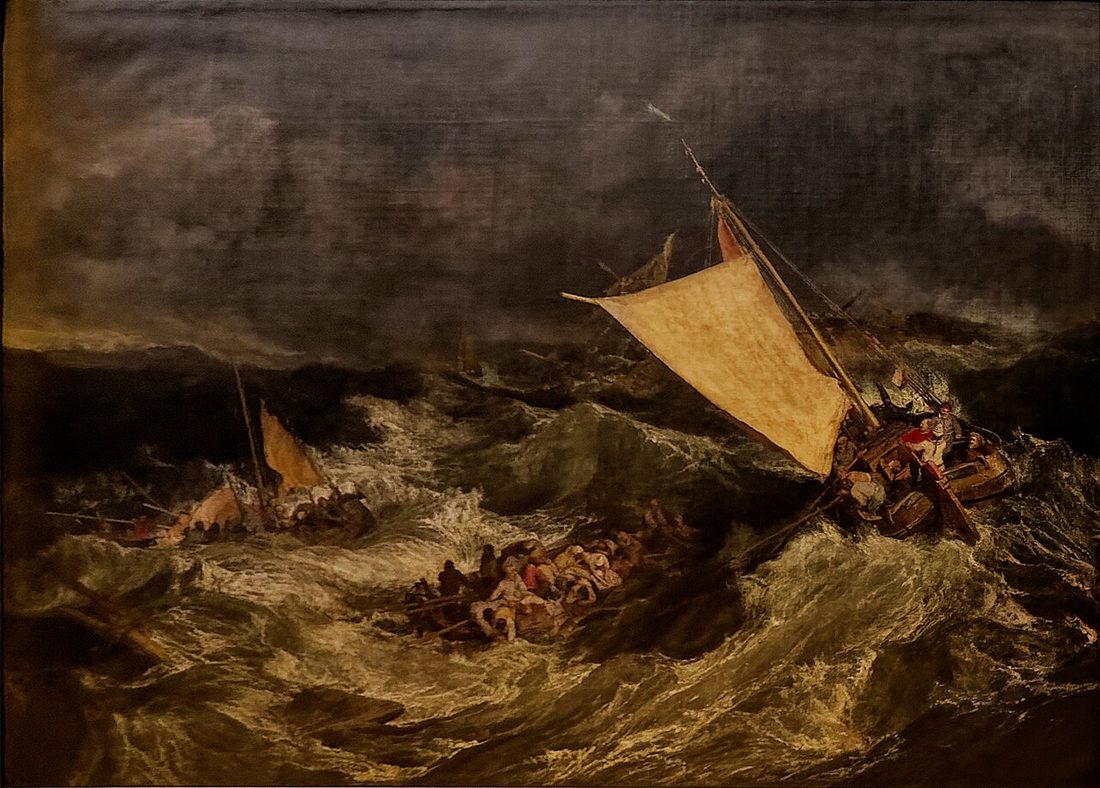
Leaving Troy, Odysseus and his twelve ships raided the Ciconians at Ismarus in Thrace. When his men lingered to feast instead of fleeing, Ciconian reinforcements counterattacked and killed six from every ship. As they rounded Cape Malea — the threshold of home — a fierce north wind seized the fleet and drove it for nine days into the fabulous world from which the ten-year wandering begins.

02
The Land of the Lotus-Eaters

The Land of the Lotus-Eaters

Year 1 of the wandering

Landing among the gentle Lotus-Eaters, Odysseus sent three men to scout. Given the narcotic lotus-fruit, they forgot Ithaca, their families, and all thought of return, wanting only to stay and graze on lotus forever. Odysseus hauled them weeping to the ships and lashed them fast before the sweet oblivion could spread to the rest of the crew.

03
Ulysses Deriding Polyphemus — J. M. W. Turner, 1829

The Cyclops Polyphemus

Year 1 of the wandering

Odysseus and twelve men were caged in the cave of Polyphemus, who devoured several of them. Odysseus gave his name as 'Nobody,' got the giant drunk, and drove a glowing stake into his single eye; the blinded Cyclops's neighbors ignored his cries that 'Nobody' was killing him. The Greeks escaped beneath his rams, but Odysseus's parting taunt revealed his true name — letting Polyphemus call on Poseidon to curse him with a late, lonely homecoming.

04
Aeolus and the Bag of Winds — after van Thulden

Aeolus and the Bag of Winds

Year 1 of the wandering

On his floating island, Aeolus gave Odysseus an ox-hide bag confining every contrary wind, leaving only the gentle West Wind to bear him home. For nine days they sailed until Ithaca's watch-fires came into view. As Odysseus slept, his crew — suspecting hidden gold — untied the bag; the released winds burst free and drove the ships back to Aeolus, who now refused all help, judging Odysseus cursed.

05
The Laestrygonians — Roman 'Odyssey Landscapes' fresco

The Laestrygonians

Year 1 of the wandering

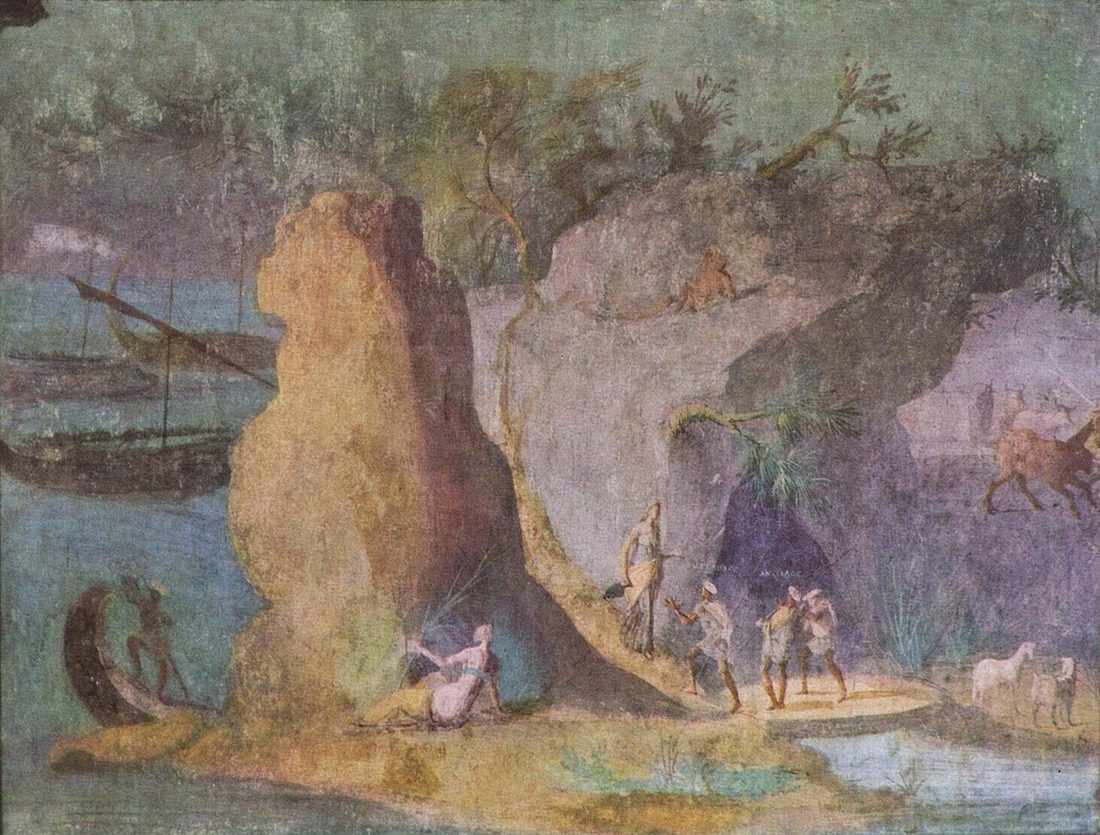
Reaching the land of the Laestrygonians, all but Odysseus's ship moored inside a sheltered, cliff-ringed harbor. The gigantic, man-eating inhabitants fell upon the trapped fleet, smashing the ships with huge stones and spearing the men to eat. Only Odysseus's single vessel, kept moored outside the harbor mouth, cut its cables and rowed clear — his losses now catastrophic.

06
Circe Offering the Cup to Ulysses — J. W. Waterhouse, 1891

Circe on Aeaea

Year 1 · a full year on Aeaea

On Aeaea, Circe drugged a scouting party and struck them with her wand, transforming them into pigs. Warned and protected by Hermes, who gave him the herb moly, Odysseus withstood her potion and forced her to restore his men. He then lived with Circe a full year; when his crew urged departure, she told him he must first sail to the land of the dead to consult the seer Tiresias.

07
Tiresias Appears to Ulysses — Henry Fuseli

The Underworld and Tiresias' Prophecy

Year 2 of the wandering

Sailing to the shore of Ocean, Odysseus dug a pit and offered blood to call up the shades. Tiresias warned that harming the Cattle of the Sun would destroy his crew, that he would come home late and alone to find suitors devouring his house, and that a gentle death would come to him from the sea in old age. Odysseus also met his mother Anticlea, and fallen comrades Agamemnon and Achilles.

08
Ulysses and the Sirens — Herbert James Draper, 1909

The Sirens

Year 2 of the wandering

Circe had cautioned Odysseus about the Sirens, whose irresistible song lures sailors onto the rocks to rot. He sealed his men's ears with beeswax and ordered them to lash him to the mast, forbidding them to release him however he pleaded. As the ship glided past, the Sirens promised him knowledge of all things; Odysseus strained and begged to be freed, but his crew only tied him tighter until the danger was behind them.

09
Odysseus, Scylla and Charybdis

Scylla and Charybdis

Year 2 of the wandering

The ship had to pass a narrow channel flanked by two horrors: the whirlpool Charybdis, which swallowed the whole sea, and the cliff-dwelling Scylla, a six-headed beast that snatched sailors from decks. Circe had advised sacrificing a few to Scylla rather than risking all in Charybdis. As Odysseus held course by the cliff, Scylla darted down and seized six of his best men, who screamed his name as she devoured them.

10
The Cattle of Helios

The Cattle of Helios

Year 2 · a month becalmed

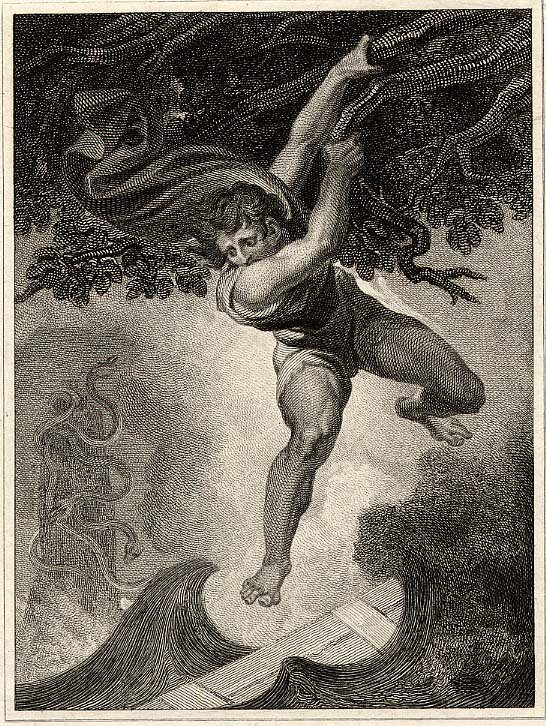
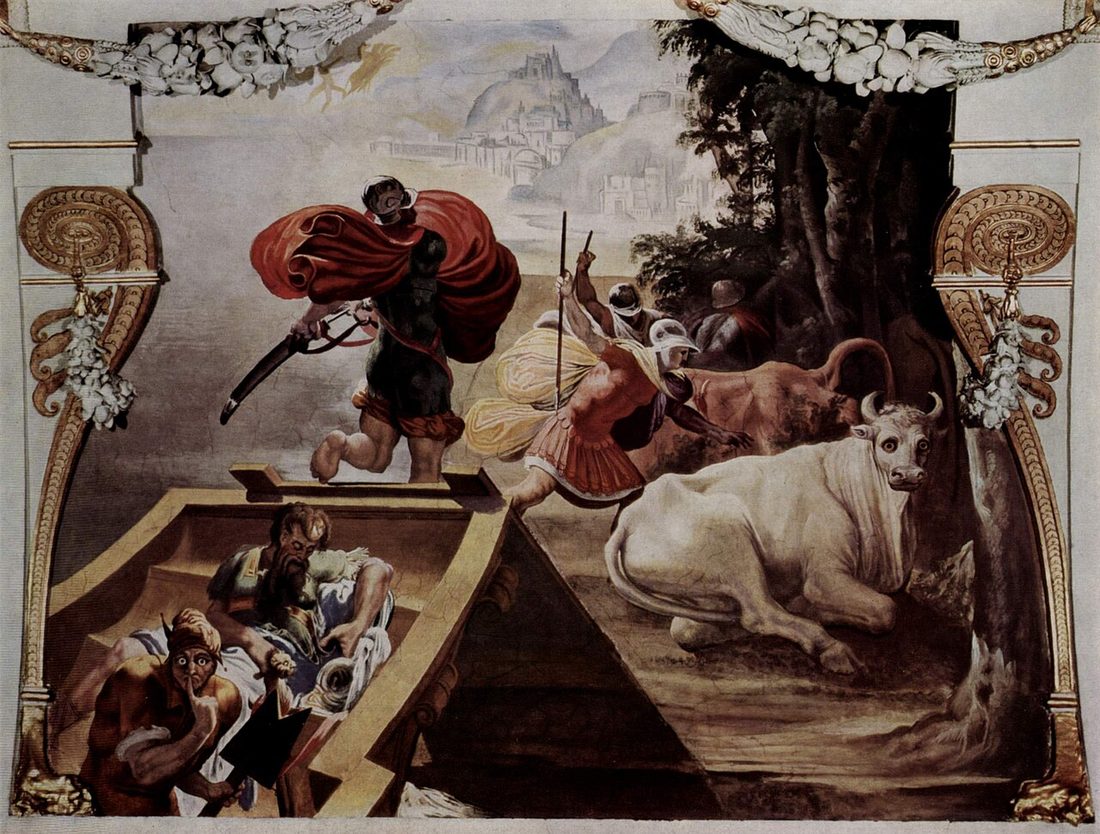
Pinned down by contrary winds on Thrinacia until their provisions failed, the crew, led by Eurylochus, killed and ate the sacred cattle of Helios while Odysseus slept. The outraged Sun-god demanded vengeance, and when they sailed, Zeus shattered the ship with a thunderbolt and drowned them all. Odysseus alone survived, clinging to the wreckage.

11
Hermes Ordering Calypso to Release Odysseus — Gerard de Lairesse

Calypso on Ogygia

Years 3–10 · seven years held

Washed up alone on Ogygia, Odysseus was taken in by the nymph Calypso, who loved him and kept him seven years, promising to make him ageless and deathless. Yet he wept each day on the shore, longing for Ithaca and Penelope. At last Athena pleaded his cause on Olympus, and Zeus sent Hermes to command Calypso to free him; reluctantly she helped him build a raft.

12
Ulysses and Nausicaä (Phaeacian shore)

The Phaeacians and Nausicaa

Year 10 · the last crossing

Poseidon smashed Odysseus's raft, but he swam ashore on Scheria, where the princess Nausicaa found him and led him to her father's palace. Received by King Alcinous, and moved to tears by a bard singing of Troy, Odysseus revealed his name and narrated his entire journey. The seafaring Phaeacians loaded him with gifts and carried him, asleep, on a magical ship that set him at last on Ithaca — for which Poseidon later turned their ship to stone.

Scroll sideways to sail on →

Themes to Watch For

What It’s Really About

Five ideas thread through every episode. Spot them and the whole poem clicks into place.

νόστος

Nostos — the Homecoming

The Greek word for the homeward journey, and the whole genre the Odyssey defines. Home is not just a place but a marriage, a son, a household, and an identity to be won back.

ξενία

Xenia — Guest-Friendship

The sacred bond between host and guest. Nearly every episode tests it: good hosts like the Phaeacians and the swineherd against those who violate it — the Cyclops who eats his guests, the suitors who abuse the house.

μῆτις

Metis — Cunning

Odysseus wins by intelligence, trickery, and self-restraint, never by brute force. 'Nobody,' the wooden horse, the endless disguises — it is a hymn to brains over brawn.

Identity & Disguise

Who is Odysseus? He hides his name, wears rags, spins false tales. The story is a long game of concealment and recognition — by a scar, a bed, a bow.

Fidelity & Temptation

Penelope holds the household against a hundred suitors; Odysseus resists Circe, Calypso, and the song of the Sirens. Both are tested, apart, for twenty years.

The Gods

Athena's favour and Poseidon's wrath pull the hero between them. The divine is always just offstage — disguised, watching, tipping the scales.

Names You’ll Hear

A Quick Glossary

How to say them, and what they mean — so nothing on screen slips past.

Odysseusoh-DISS-ee-usThe hero, king of Ithaca, 'of many devices.' Called Ulysses by the Romans.
Penelopepeh-NEL-oh-peeHis faithful, cunning wife, holding the throne against the suitors.
Telemachusteh-LEM-uh-kusTheir son, who comes of age searching for his father.
IthacaITH-uh-kuhOdysseus's rocky island kingdom — the goal of the whole journey.
NostosNOS-tossThe homecoming; the return home from war.
XeniaZEN-ee-uhGuest-friendship — the sacred law of hospitality.
Calypsokuh-LIP-soThe nymph who holds Odysseus seven years on Ogygia.
CirceSUR-seeThe sorceress of Aeaea who turns his men to swine.
Polyphemuspol-ih-FEE-musThe Cyclops, one-eyed son of Poseidon.
Scylla & CharybdisSILL-uh / kuh-RIB-dissThe six-headed monster and the whirlpool — 'between a rock and a hard place.'
The Phaeaciansfee-AY-shunsThe seafaring people who host Odysseus and ferry him home.
Tiresiasty-REE-see-usThe blind prophet of the dead who foretells his fate.
The Homecoming

The Reckoning on Ithaca

The back half of the story trades monsters for a slow, tense game of disguise and recognition — ending in the great hall.

  1. The TelemachySpurred by Athena, the young Telemachus sails to Pylos and Sparta seeking news of his father, coming of age as the suitors plot to ambush him on his return.
  2. Return to Ithaca and Athena's DisguiseThe Phaeacians set the sleeping Odysseus ashore on Ithaca at last; Athena meets him, reveals the danger at home, and disguises him as an aged beggar.
  3. Eumaeus the SwineherdDisguised, Odysseus finds shelter with his loyal swineherd Eumaeus, who unknowingly hosts his master and proves his enduring faithfulness.
  4. Reunion with TelemachusAt the swineherd's hut, Athena restores Odysseus's true form before his son; father and son weep, embrace, and plot the suitors' destruction together.
  5. The Suitors and Penelope's ShroudOver a hundred suitors have besieged the palace for years, devouring its wealth and pressing Penelope to remarry; she has held them off with the trick of Laertes' shroud.
  6. Odysseus the Beggar in His Own HallEntering his palace as a ragged beggar, Odysseus endures the suitors' abuse, is recognized only by his old dog Argos and his nurse Eurycleia by his scar.
  7. The Contest of the BowPenelope sets Odysseus's great bow as the test for her hand; no suitor can even string it, until the disguised beggar draws it and shoots through twelve axes.
  8. The Slaughter of the SuitorsThrowing off his disguise, Odysseus turns the bow on the suitors and, with Telemachus and two loyal servants, kills them all in the locked hall.
  9. Recognition by the BedCautious Penelope tests the stranger by ordering their bed moved; his angry knowledge that it is rooted in a living olive tree proves he is truly Odysseus.
  10. Reunion with LaertesOdysseus seeks out his grieving old father Laertes on his farm and, after a gentle test, reveals himself by the scar and their shared memory of the orchard.
  11. Athena Brokers PeaceThe slain suitors' kinsmen rise for revenge, but Athena and Zeus halt the fighting, imposing forgetfulness and oaths of peace so Odysseus may reign in a stable Ithaca.
  12. Coda: Telegonus and the Death from the SeaYears later Telegonus, Odysseus's son by Circe, comes seeking his father and unknowingly kills him with a stingray-tipped spear — fulfilling the prophecy of death from the sea.
Before You Watch

Going Into Nolan’s Film

A little orientation for the cinema.

Christopher Nolan’s The Odyssey — a large-scale adaptation shot on IMAX film for Universal, with Matt Damon reported as Odysseus and a vast ensemble — arrives in cinemas in July 2026. Three things help going in:

  1. It is told out of order. The famous monsters are a flashback Odysseus narrates to his hosts, so a non-linear structure is faithful to the poem, not a twist.
  2. It is not a war film. Troy is already over. The stakes are a marriage, a son, and a household — the drama of getting home.
  3. Watch the hospitality. Who welcomes a stranger and who devours him tells you, every time, who is good and who is doomed.

Nolan may compress, reorder, or reinvent freely — every era retells this myth its own way. But the bones above are the story that every version, for nearly three thousand years, has rested on.